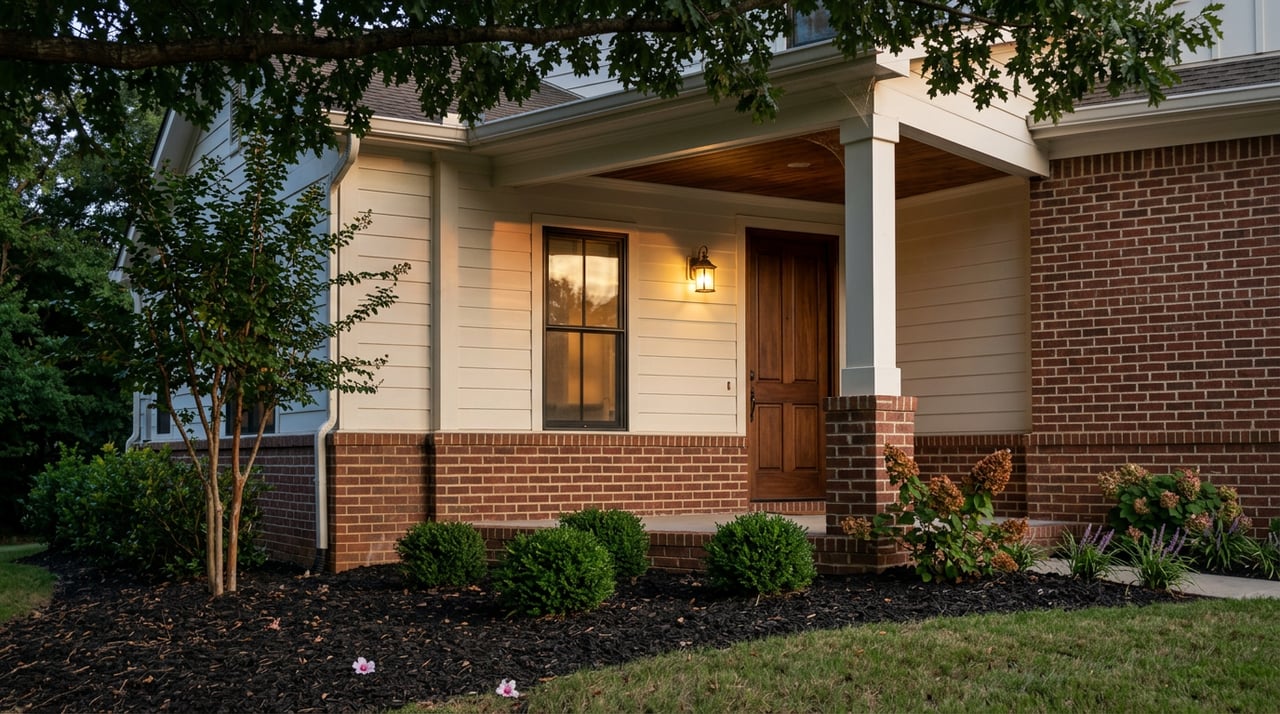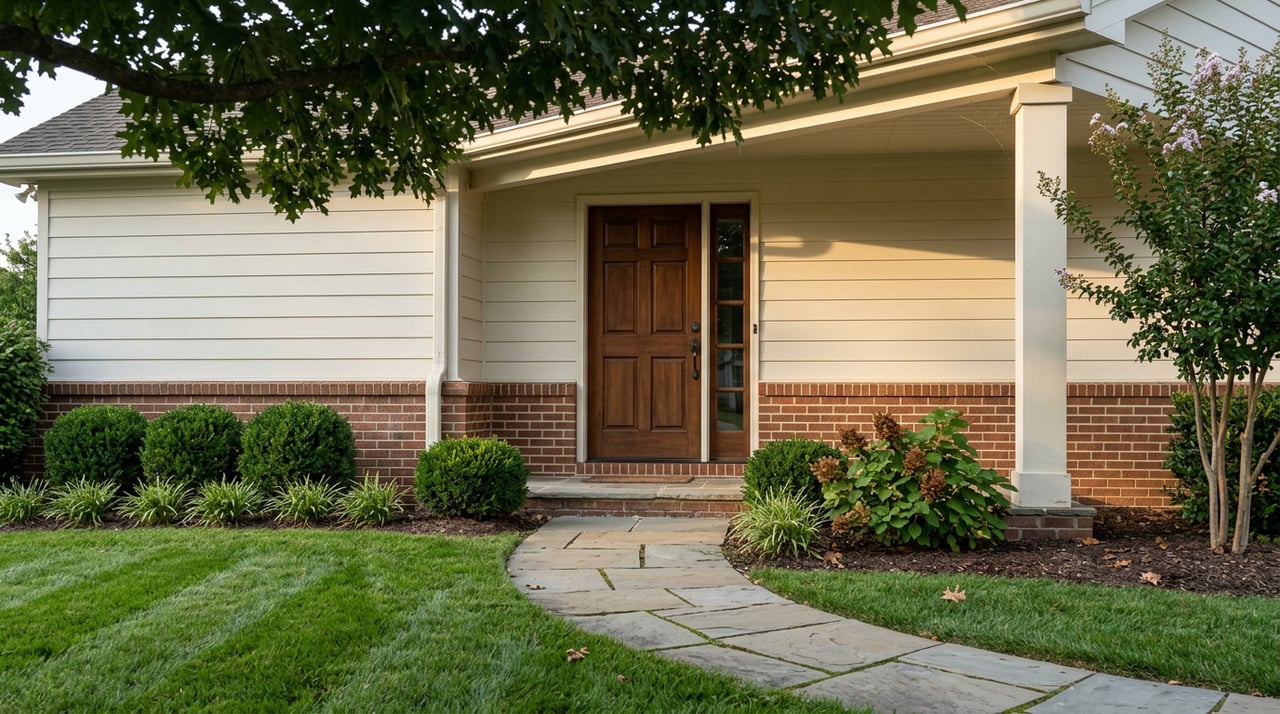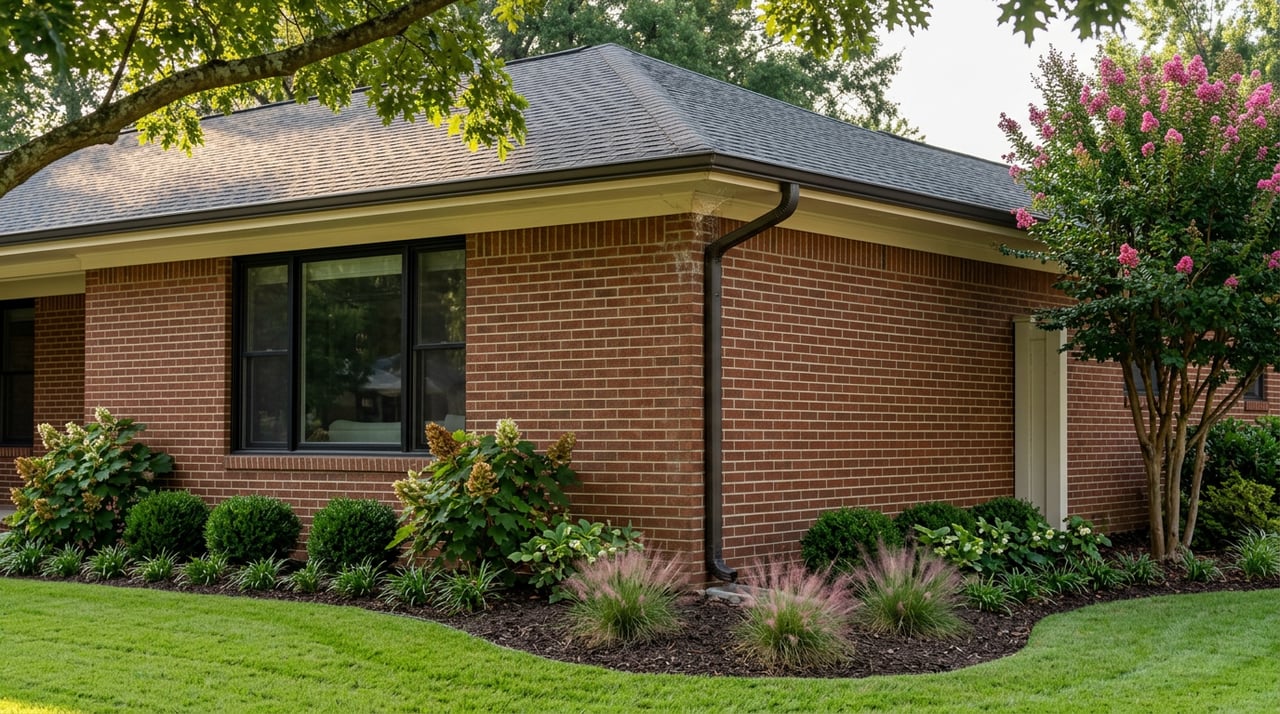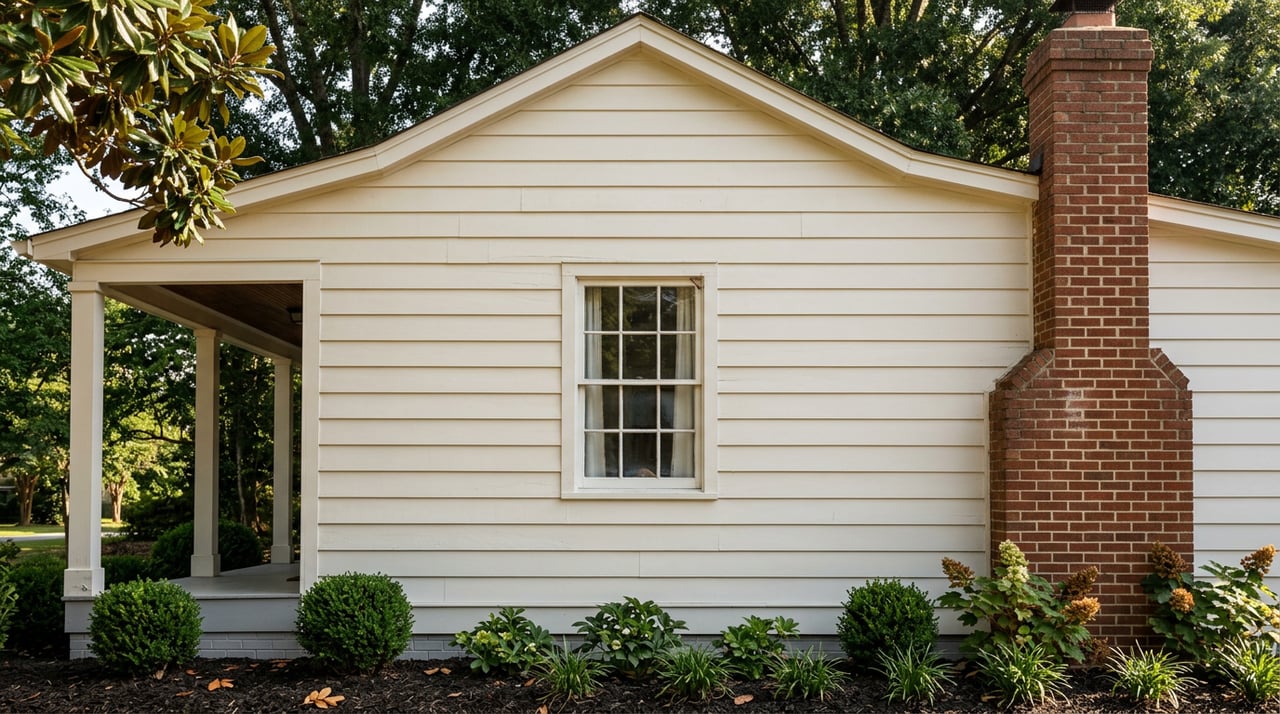
Buying new construction in Concord can feel simple at first. You tour a polished model home, hear about builder incentives, and picture yourself moving into a brand-new space. But once you look past the staged finishes and headline pricing, the details matter fast. If you want to make a smart move in Cabarrus County, it helps to know what to compare, what to question, and where the real costs can show up. Let’s dive in.
Why new construction matters in Concord
Concord and Cabarrus County continue to add housing, which makes new construction an important option for local buyers. According to the U.S. Census Bureau’s local data, Concord’s 2024 population reached 112,395, Cabarrus County reached 244,925, and the county recorded 2,485 building permits in 2024. That kind of growth helps explain why many buyers around Concord are still comparing builder communities with resale homes.
Price also shapes the conversation. The Census Bureau estimates the median value of owner-occupied homes at $353,700 in Concord and $354,800 in Cabarrus County. That means many buyers are already shopping in the mid-$300,000s before lot premiums, design upgrades, and closing costs are added.
Compare price beyond the base number
The base price is only the starting point in most new-construction communities. What you see in the model home often includes design choices and features that are not part of the advertised price. If you focus only on the starting number, you can end up underestimating your actual budget.
The National Association of Home Builders notes that model homes are sales tools as much as examples of the finished product. Items like flooring, cabinets, lighting, and exterior packages may not be included in the base home you are pricing, even if they are front and center in the tour. When you visit communities, ask for a clear breakdown of what is standard and what costs extra.
Ask for an upgrade sheet early
Before you fall in love with a floor plan, ask for written pricing on the most common upgrades. That may include:
- Flooring changes
- Cabinet packages
- Countertop selections
- Appliance upgrades
- Exterior elevations
- Covered patios or porches
- Additional lighting or trim details
Seeing those numbers early makes it easier to compare builders fairly and avoid surprise costs later.
Evaluate the builder, not just the home
A beautiful floor plan is not enough on its own. You are also choosing the builder’s communication style, construction process, warranty support, and track record. That experience can affect your timeline and your stress level just as much as the house itself.
According to the NAHB’s home builder guidance, you should look for a reputable builder with clear contracts, insurance, warranties, a transparent construction schedule, and a history of completing homes successfully. It is also smart to ask for references and whether the builder belongs to professional associations.
Questions to ask the builder
When you tour a new community in Concord, consider asking:
- How long have you been building in this market?
- What is the estimated build timeline?
- How often will I receive updates during construction?
- What warranties are included?
- How do you handle punch-list items before closing?
- Can you explain your standard features versus optional upgrades?
These questions can help you compare more than finishes. They help you compare process and reliability.
Look closely at the lot
In new construction, the lot can shape your day-to-day living as much as the floor plan. A premium lot may offer more privacy, a larger yard, or a better setting, but the extra cost should match what matters to you. If not, you may be paying more for a feature you will barely use.
NAHB materials note that builders often charge more for larger lots, corner lots, cul-de-sac lots, lots near amenities, or lots with added privacy. In practice, that means you should ask exactly why a premium applies and decide whether that benefit is worth the added cost.
What to consider about the lot
As you compare homesites, pay attention to:
- Yard size and usable outdoor space
- Distance to community amenities
- Privacy from neighbors
- Traffic near the lot
- Corner or cul-de-sac placement
- Drainage and slope
A less expensive lot can sometimes be the better fit if it supports how you actually plan to live.
Confirm permits and floodplain details
It is easy to assume the builder handles every permit detail correctly, but buyers should still verify. In Concord, the city says all new construction requires a zoning permit and a county building permit. The city also notes that if a lot is in the floodplain, the finished floor must be at least 2 feet above the nearest 100-year floodplain.
That matters because Concord reports that floodplain covers 5.576 square miles, or 9.6% of the city. If you are buying in a newer area or near low-lying land, ask whether the lot is affected and what documentation is available.
Permit and site checklist
Before closing, ask for confirmation of:
- Zoning permit
- County building permit
- Any floodplain-related requirements
- Final inspections
- Certificate of Occupancy
This is not about being difficult. It is about making sure the home has moved through the right local process.
Protect yourself in the contract
New-construction contracts can differ from resale contracts, especially around deposits, financing timelines, and completion dates. That is why you should read terms carefully and ask direct questions before signing. A strong contract review can help you understand where your money is at risk and what happens if timelines shift.
The Consumer Financial Protection Bureau says builders may ask for upfront deposits and that buyers should ask when those funds are refundable. The CFPB also advises buyers to shop lenders even if the builder has an affiliated lender and to make the contract contingent on financing and a satisfactory inspection.
Contract details to review
Focus on these points before you commit:
- Builder deposit amount
- Refund terms for earnest money or deposits
- Financing contingency
- Inspection contingency
- Estimated completion date
- What happens if construction is delayed
- Which features and finishes are included in writing
If it is important to you, it should be written clearly into the agreement.
Get an independent inspection anyway
A new home is still a home under construction, with many moving parts and multiple trades involved. Even if everything looks fresh and clean, an independent inspection can help you spot issues before closing. New does not automatically mean perfect.
The CFPB recommends choosing an inspector who is accountable to you and scheduling the inspection as early as possible. It also recommends using an inspection contingency if serious defects are found. For new construction in North Carolina, it is also wise to ask for the Certificate of Occupancy because the North Carolina Real Estate Commission explains that the CO confirms the required permits were obtained and the home was inspected during construction.
Understand the warranty coverage
Builder warranties can offer real value, but they are not all the same. You should know what is covered, for how long, and what process you must follow to make a claim. That helps you avoid confusion after move-in.
The Federal Trade Commission’s guidance on new-home warranties explains that a builder warranty usually covers permanent parts of the home and often includes about one year for workmanship and materials, about two years for HVAC, plumbing, and electrical systems, and sometimes up to ten years for major structural defects. A home warranty is different. It is typically a paid service contract and should not be confused with the builder’s included coverage.
Ask these warranty questions
- What is covered for one year?
- What systems have longer coverage?
- Is there structural coverage?
- How do I submit a warranty request?
- Are there deadlines for reporting issues?
- What items are excluded?
A clear warranty conversation now can save you frustration later.
Know how North Carolina disclosure rules work
New construction does not always come with the same disclosure pattern as a resale home. In North Carolina, some new homes that have never been occupied may be exempt from the usual owner disclosure statement. That means you may have fewer seller-provided details to rely on, which makes your own due diligence even more important.
The North Carolina Bar notes that the state also recognizes an implied warranty of habitability for recently constructed homes. That protection can matter in certain cases, but it is not a replacement for inspections or careful contract review. It is better to catch concerns before closing than to argue over them later.
Compare new construction with resale
The right choice is not always the newest home. Sometimes resale gives you faster occupancy, a more established setting, or different pricing flexibility. In today’s Concord market, many buyers are weighing both options more carefully than they did a few years ago.
According to Redfin’s Concord market data, homes in Concord sold for a median of $375,000 in March 2026 and averaged 83 days on market. Nationally, Fannie Mae reports that the median new-home sale price premium compared with existing homes averaged about 4% in 2024, while builders have continued using incentives like rate buydowns to move inventory.
That means your decision may come down to more than sticker price. You may be comparing move-in timing, incentive packages, warranty coverage, and how much work you want to take on after purchase.
New construction vs. resale
| Factor | New Construction | Resale |
|---|---|---|
| Move-in timing | May require build time | Often faster occupancy |
| Repairs | Typically fewer immediate repair needs | May need updates or repairs sooner |
| Warranty | Builder warranty may apply | Usually no builder warranty |
| Price structure | Base price plus upgrades and lot premiums | Usually one negotiated purchase price |
| Incentives | Builders may offer rate buydowns or credits | Depends on seller and market conditions |
Why buyer representation still matters
When you walk into a builder’s sales office, the on-site representative is there for the builder. That does not mean they are unhelpful. It just means their role is different from someone representing your interests.
The North Carolina Real Estate Commission says brokers must provide the Working With Real Estate Agents disclosure at first substantial contact, and if a broker represents the buyer, the buyer agency agreement must be in place no later than the time an offer is made. The CFPB also reminds buyers to understand who their agent represents and how they are compensated. In a new-construction purchase, buyer representation can help you manage registration, compare communities, review contract terms, track upgrade decisions, and keep the process moving clearly.
If you are exploring new construction around Concord, working with a local expert can help you look past the model home and focus on the details that affect your budget, timing, and long-term satisfaction. For thoughtful guidance through new communities, resale options, and the full buying process, connect with Kirk Hanson.
FAQs
What should you ask a builder before buying new construction in Concord?
- Ask about the build timeline, standard features, upgrade pricing, warranty coverage, deposit terms, and how the builder handles inspections, punch-list items, and delays.
How do lot premiums work in Concord new-construction communities?
- Lot premiums are extra charges for homesites with features like larger yards, cul-de-sac placement, corner location, added privacy, or closer access to amenities.
Do you still need a home inspection for a new construction home in Concord?
- Yes. An independent inspection can help identify issues before closing, even on a brand-new home.
What permits should buyers confirm for new construction in Concord?
- Buyers should confirm the zoning permit, county building permit, final inspections, and the Certificate of Occupancy, plus any floodplain-related requirements if applicable.
Is new construction always more expensive than resale in Concord?
- Not always. The total cost depends on builder pricing, upgrades, lot premiums, incentives, and how resale options compare on timing, condition, and negotiated price.