Buying your first home in Kannapolis can feel exciting and a bit overwhelming. You want the right mix of price, commute, and lifestyle without surprises after closing. In this guide, you will learn how Kannapolis neighborhoods differ, what typical price ranges look like for first-time buyers, and the key checks to run before you write an offer. You will also find local links to help you verify schools, taxes, safety resources, and downtown growth. Let’s dive in.
Why Kannapolis works for first-time buyers
Kannapolis sits just north of Charlotte and spans Cabarrus and Rowan counties, which gives you a range of neighborhood styles and price points in one small city. The city counted about 53,000 residents in 2020, according to the Census, and has been adding new housing options around its revitalized downtown core. You can confirm the latest population figures on the Census QuickFacts page for Kannapolis.
Downtown momentum centered on the West Avenue District and the Atrium Health Ballpark has drawn new restaurants, mixed-use projects, and rental options. City materials point to these downtown investments as long-term placemaking drivers. Explore the city’s overview of the West Avenue District on the Downtown page and get a sense of ongoing projects on the Revitalization page.
On pricing, city-level indicators suggest Kannapolis remains approachable compared to many Charlotte suburbs. As of February 2026, Zillow reported a typical home value near $276,000, a median sale price around $251,000, roughly 215 active listings, and an average observed rent near $1,595. Your actual search will vary by neighborhood, home size, and condition, so use live comps when you are ready to write.
Neighborhoods at a glance
- Downtown and West Avenue core: Walkable, entertainment nearby, smaller-lot homes and condos, more new construction and infill.
- Historic mill villages and older single-family: Modest bungalows, cottages, and ranches that can offer lower entry prices and potential renovation needs.
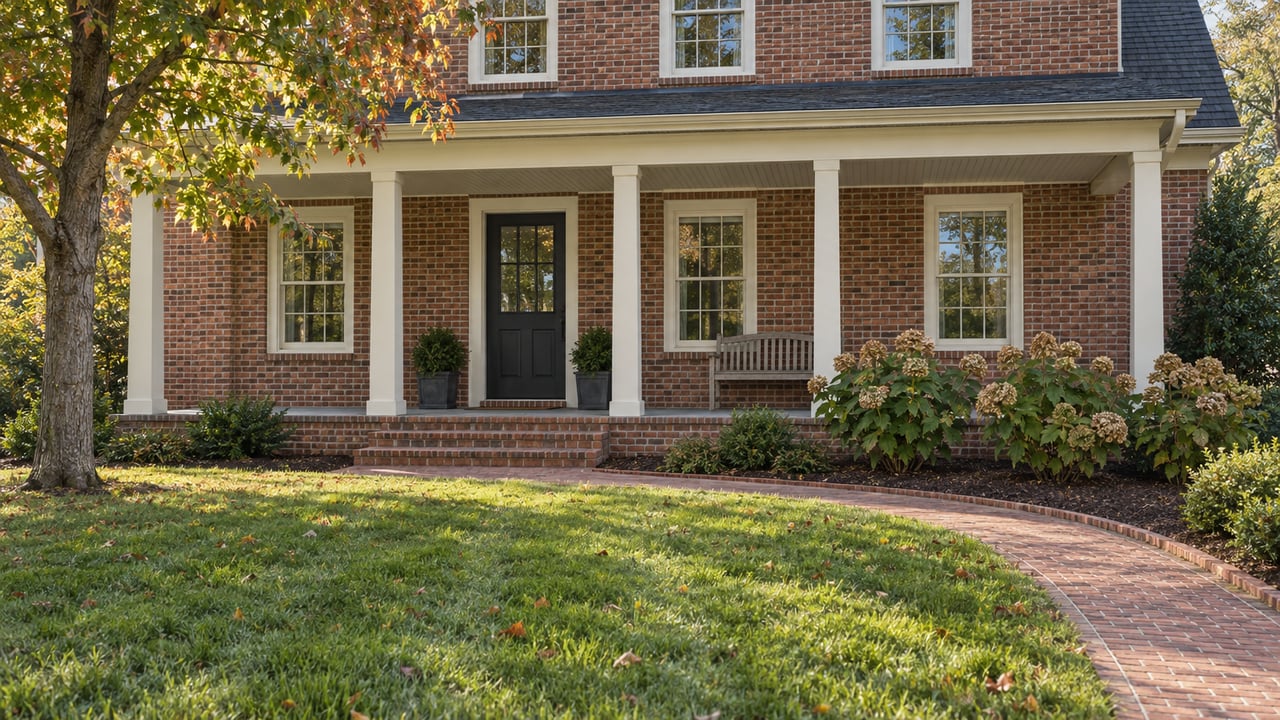
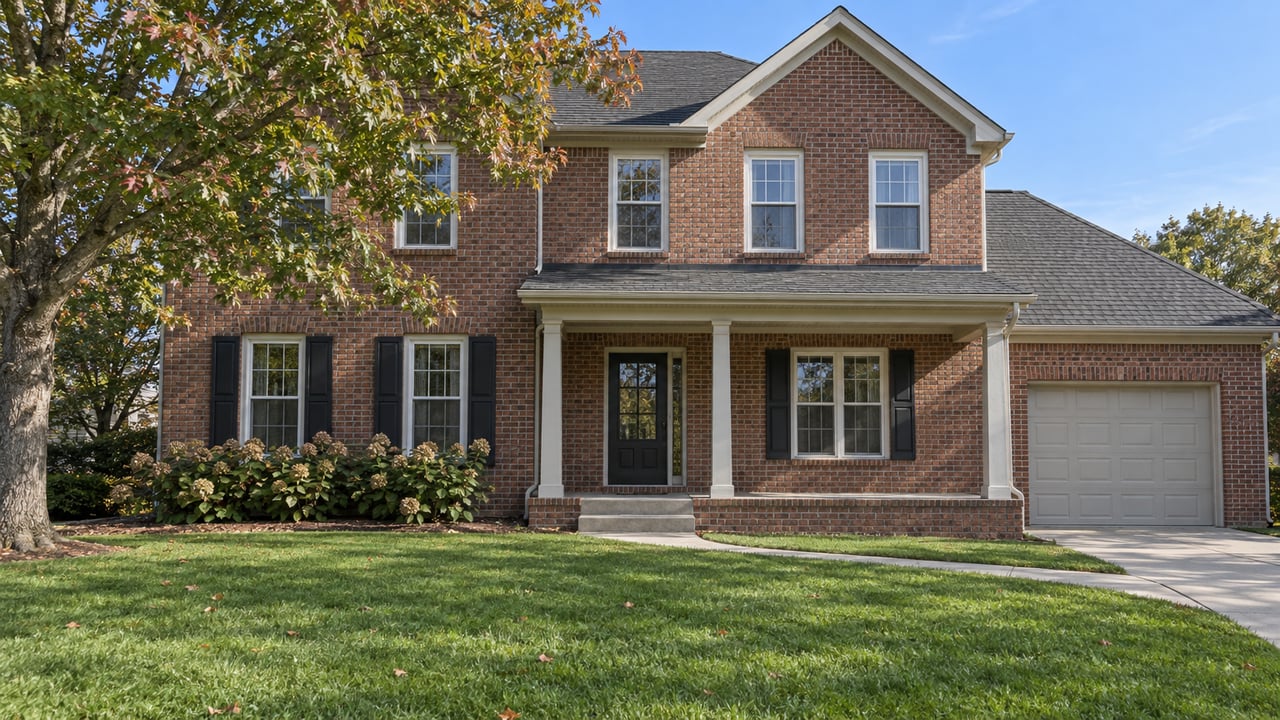
- Established suburban subdivisions: 1980s to early 2000s single-family homes, larger yards, mature trees, and often no or low HOA dues.
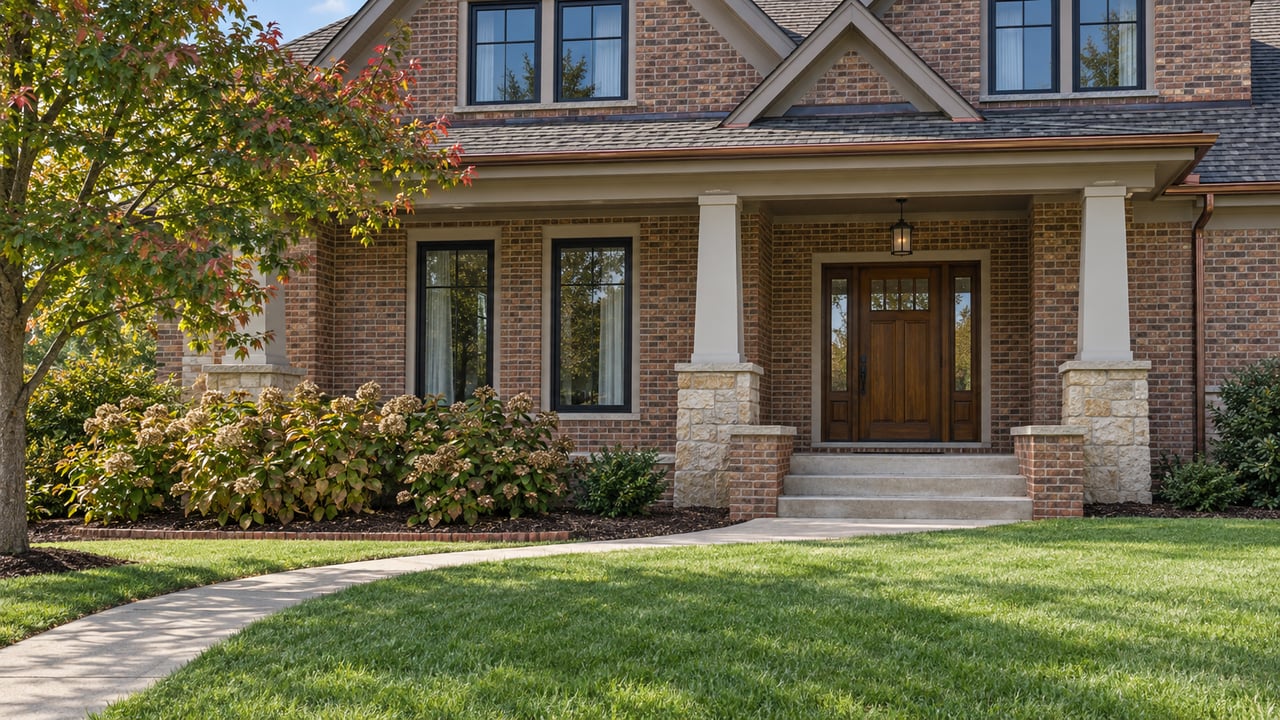
- New master-planned and townhome communities: Modern floorplans, community amenities, and mandatory HOAs that cover shared services.
What to expect by area
Downtown, West Avenue, and Cannon Village
If you want walkability to restaurants and events, start here. Downtown features brick mill-era buildings, new small-lot infill, and anchors like the Atrium Health Ballpark. The city’s Downtown page highlights the West Avenue District’s mix of dining and entertainment, and the Revitalization page outlines active projects. Expect more apartments and mixed-use options near this core. For a quieter setting, you may prefer established suburbs a short drive away.
Historic mill villages and older single-family streets
These areas feature bungalows, cottages, and ranch homes on modest lots. You may find some of the lowest entry price points citywide, especially for smaller homes or properties that need updates. Factor in potential upgrades to systems, roofs, windows, and insulation. A thorough inspection and quotes from specialists can help you budget accurately and avoid surprises.
Established suburban subdivisions
If you want a traditional neighborhood feel, look for 1980s to 2000s homes with mature landscaping and larger yards. Many of these areas have low or no HOA dues, though you should confirm the parcel’s association status. Prices often cluster near or a bit above the city median depending on the subdivision and the specific home’s features.
New master-planned and townhome communities
Builders have brought modern townhomes and single-family plans with open layouts, energy-minded features, and community amenities. Many of these neighborhoods have HOAs that commonly run in the low hundreds per month, often around 150 to 250 dollars, depending on amenities and services. Always request the covenants, recent meeting minutes, and budget or reserve study to understand rules and upcoming costs.
Price ranges to build a budget
Numbers vary by source and property type, so treat these as starting points and verify with live comps. As of February 2026, city-level indicators and recent listings suggest:
- Entry-level options: In some pockets, older small homes or condos can trade under roughly 160,000 to 200,000 dollars, especially if condition is a factor.
- Starter single-family: Move-in ready modest homes often range from about 180,000 to 300,000 dollars, depending on size and condition.
- New construction and townhomes: Many new builds and amenity neighborhoods fall in the 250,000 to 400,000 plus range, with larger models pushing higher.
- Move-up and larger-lot homes: Select pockets can reach above 500,000 to 700,000 plus.
For rentals, city-level averages point to a typical rent near 1,595 dollars as of late February 2026. Your monthly ownership budget should include mortgage principal and interest, taxes, homeowners insurance, HOA dues, and utilities. The city’s most recent audit report notes a city property tax component historically near 0.63 dollars per 100 dollars of assessed value, with an added county rate that depends on whether the parcel is in Cabarrus or Rowan. Always confirm the adopted tax rates for the specific property before you finalize your numbers.
Schools, taxes, safety, and HOAs to verify
Schools are address-specific
Kannapolis City Schools serves many addresses in Kannapolis, and some properties fall within Cabarrus County Schools or Rowan-Salisbury Schools because the city spans two counties. School assignment is set by address, so verify the specific assignment before making decisions. You can explore district information, programs, and enrollment resources on the Kannapolis City Schools site.
Property taxes and carrying costs
Property tax bills combine the city and county portions, and special districts may apply. The City of Kannapolis audit document shows the city portion has historically been near 0.63 dollars per 100 dollars of assessed value. County tax rates change with budgets, so look up the current adopted rate for your parcel. Use the county assessor or tax office tools to estimate your annual cost and confirm any exemptions.
Safety resources and due diligence
Crime patterns are local and can vary by block and season. The Kannapolis Police Department shares annual reports and community resources that can help you understand trends and programs. Review recent reports, ask your agent for local context, and visit the neighborhood at different times of day to get a feel for traffic and noise.
HOA rules, dues, and documents
If the property is in an HOA, review the covenants, restrictions, and design guidelines early. Ask for recent meeting minutes, the association budget, and any reserve study, and check for special assessments. Clarify what your dues cover, including maintenance, amenities, and insurance for common areas.
Downtown growth and what it means for you
Downtown investment and the North Carolina Research Campus are shaping long-term demand. The city’s NCRC brochure describes the campus as a major research and jobs anchor that draws private investment in nearby housing. The West Avenue District has brought new restaurants, entertainment, and mixed-use projects. In general, stronger walkability and proximity to anchors can increase buyer interest. Prices respond to many factors, including supply, mortgage rates, and new for-sale inventory, so review recent appreciation trends by neighborhood before you set expectations.
Step-by-step buyer checklist
Set your total monthly housing budget. Include mortgage principal and interest, property taxes, homeowners insurance, HOA dues, and utilities. Use the city’s audit report to understand the city tax component and confirm the county rate for your parcel.
Pick 2 to 3 nonnegotiables. Examples include a commute under 35 minutes, a preference for no HOA, or a desire for a walkable setting. Match those to neighborhood types, such as downtown and mill-village streets for walkability or established suburbs for larger yards.
Use address-level tools early. Confirm taxes and any special districts through the county assessor. Verify school assignment through district tools and information from Kannapolis City Schools. Ask your agent for recent comps and neighborhood appreciation trends.
If the property has an HOA, get the documents. Request covenants, recent minutes, budgets, reserve studies, and a statement of any planned assessments. Confirm the dues amount and what it covers.
Weigh downtown proximity. Expect more apartments and mixed-use near West Avenue and NCRC. If you prefer a quieter setting, explore established suburbs a short drive from downtown.
Order inspections that match the home’s age and condition. Start with a general inspection, then add specialists for roofs, HVAC, foundations, or energy efficiency as needed. Compare the seller’s disclosures to your inspector’s findings and adjust your offer or repair requests accordingly.
How we help you compare neighborhoods
You deserve a clear, confident path to your first home. With long-standing local expertise across Cabarrus County and the Charlotte metro, our team helps you narrow neighborhoods, compare total monthly costs, and evaluate tradeoffs like condition versus amenities or walkability versus lot size. We coordinate tours, review HOA and tax documents with you, and keep your search focused on homes that fit your budget and goals.
If you are ready to explore Kannapolis neighborhoods, reach out for a local, concierge-level experience from search to close. Start the conversation with Kirk Hanson and get a first-time buyer strategy tailored to you.
FAQs
What are the best Kannapolis neighborhoods for first-time buyers?
- Many first-time buyers focus on older modest single-family areas for lower entry prices or on newer townhome communities where mortgage plus HOA still fits the budget; the right choice depends on your priorities and live comps.
How expensive are HOA dues in Kannapolis neighborhoods?
- In newer and amenity-rich communities, recent listings commonly show HOA dues in the low hundreds per month, often around 150 to 250 dollars, but always verify the exact amount and what it covers.
How do school assignments work for homes in Kannapolis?
- School boundaries are address-specific, and some addresses are served by Kannapolis City Schools while others fall within county systems, so confirm assignment with district resources before you decide.
Will downtown Kannapolis growth raise home prices quickly?
- Downtown investment and the NCRC are positive long-term demand drivers, yet appreciation timing depends on supply, mortgage rates, and new for-sale inventory, so review recent trends by neighborhood before setting expectations.