Selling a home in Kannapolis can feel simple at first. Put it on the market, wait for offers, and move on. But in a market where buyers are comparing homes carefully, the wrong price, weak presentation, or missing paperwork can slow your sale and cost you money. If you want a smoother sale and a stronger result, it helps to know the mistakes that trip sellers up most. Let’s dive in.
Why small mistakes matter in Kannapolis
Kannapolis is active, but it is also price-sensitive. Public market trackers show a March 2026 median sale price around $300,000 in Kannapolis, while median listing prices are higher, around $329,900. At the county level, Cabarrus County pricing sits higher, with public sources placing median prices in the high-$300,000s to low-$400,000s.
That gap matters when you sell. Buyers are not looking at your home in a vacuum. They are comparing it against nearby listings, closed sales, and similar homes in the same price band.
Even within Cabarrus County, price points shift fast. Public listing data shows Kannapolis, Concord, Harrisburg, Midland, and Mount Pleasant all sit in different pricing ranges. Even Kannapolis ZIP codes like 28083 and 28081 can pull from different buyer pools.
Price to the right buyer pool
Overpricing with the wrong comps
One of the most common mistakes is pricing your home against properties that are not truly comparable. A seller might look at a newer home in another part of the county or a larger home in a higher-priced submarket and assume their property should match it.
That can backfire quickly in Kannapolis. If your home belongs in the $300,000 to $325,000 range, pricing it like a $400,000 home may push it into a buyer pool that is not shopping for your property. A small pricing jump can change who sees your home and who can realistically buy it.
Testing the market too high
Some sellers hope they can start high and adjust later if needed. In practice, that often costs momentum.
County data from Zillow shows a 0.982 sale-to-list ratio, and 70.8% of sales closed under list price. That suggests buyers expect room for negotiation and may skip homes that already appear overpriced. If your listing misses the mark early, it can sit longer and invite lower offers later.
Ignoring current competition
Closed sales matter, but so does the competition you face right now. If buyers can choose between your home and several better-presented listings at a similar price, your home may struggle even in a healthy market.
A smart pricing strategy looks at both recent closed sales and active listings in the same submarket. It should also account for condition, lot size, HOA dues, and known repairs. The goal is not to chase the highest possible number. The goal is to land where qualified buyers are ready to act.
Don’t confuse updates with value
Over-renovating before you sell
It is easy to assume that a major remodel will always pay off. In many cases, it does not.
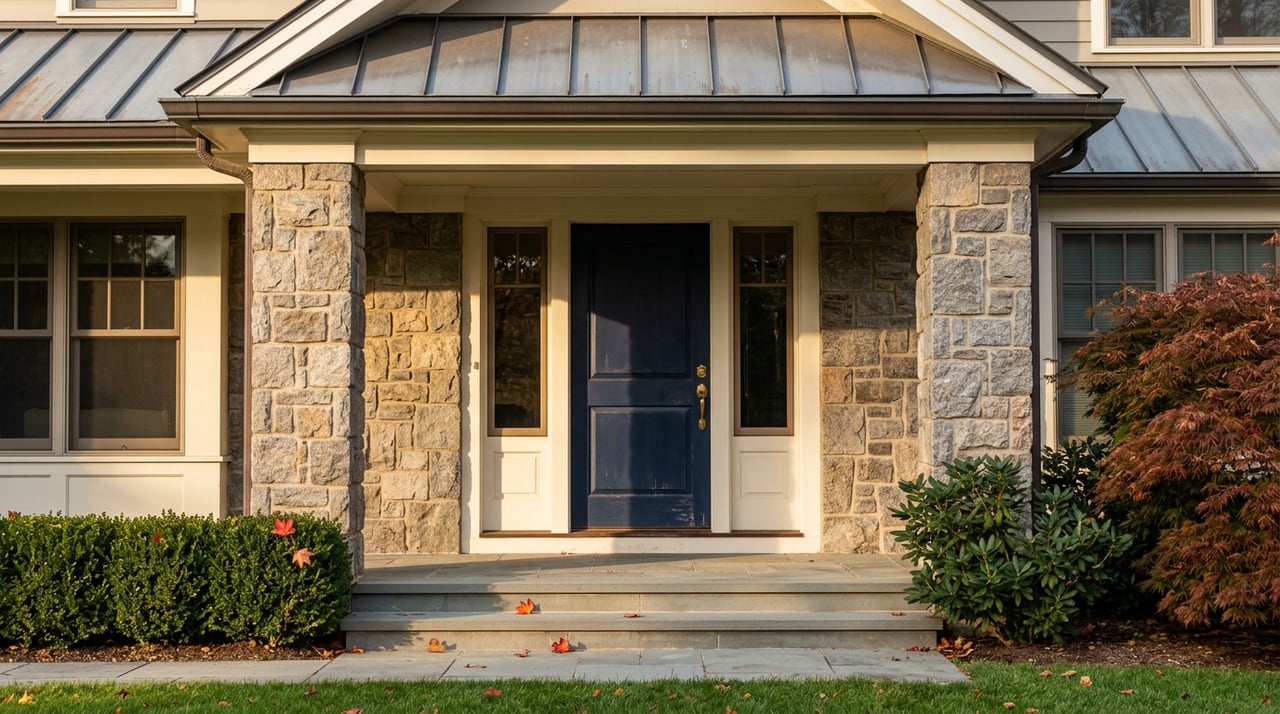
National remodeling data for 2025 shows some smaller updates offer stronger resale recovery than large projects. A new steel front door recovered 100% of cost at resale, a fiberglass front door recovered nearly 80%, and new vinyl windows recovered 74%. Larger kitchen and bathroom renovations recouped much less.
That does not mean you should ignore your home’s condition. It means you should focus first on visible, practical improvements buyers notice right away.
Skipping basic repairs buyers will notice
Minor issues can make a bigger impression than sellers expect. Peeling paint, worn trim, a tired front entry, or an obvious maintenance item can raise questions about the rest of the home.
Real estate professionals often recommend painting and roof work before selling. In many cases, addressing these basics does more for your sale than taking on a full cosmetic overhaul. Buyers want a home that feels cared for and move-in ready, even if it is not fully renovated.
Choosing a price cut instead of simple fixes
If your home needs work, you may wonder whether to repair it or just lower the price. The answer depends on the issue, but visible problems often deserve attention first.
A buyer may accept an older kitchen. They may react very differently to chipped paint, dirty carpet, or a damaged front door. Small fixes can improve first impressions and support your asking price in a way a quick discount often cannot.
Presentation is not optional
Skipping decluttering and deep cleaning
You only get one first impression, and today that often happens online. If your home looks crowded, dim, or poorly maintained in photos, buyers may scroll past before they ever schedule a showing.
Staging research from 2025 found that 96% of agents recommend decluttering and 88% recommend whole-home cleaning before listing. Those are not luxury extras. They are foundational steps that help your home feel more spacious, brighter, and easier to picture as someone else’s next home.
Doing too little staging
Staging does not always mean furnishing every room from scratch. It means helping buyers understand the space and its potential.
According to 2025 staging research, 83% of buyers’ agents said staging made it easier for buyers to visualize a home. Also, 49% of sellers’ agents said staging reduced time on market, and 29% said it increased the value offered by 1% to 10%.
That is why even light staging in key areas can matter. Focus on spaces that shape the strongest first impression, such as the living room, kitchen, primary bedroom, and entry.
Treating listing photos and video as optional
Strong marketing starts with strong visuals. Buyers often decide which homes to visit based on the listing itself, not just the address or price.
In the same 2025 staging research, buyers’ agents said photos were highly important in listings, along with traditional staging, video, and virtual tours. If your home has weak images, dark rooms, or poor composition, good pricing alone may not save it.
Professional presentation should follow a clear order:
- Repair visible issues
- Deep clean the home
- Declutter surfaces and storage areas
- Stage the most important rooms
- Capture high-quality photos and video
That order helps you show the home at its best before it ever hits the market.
Paperwork mistakes can derail a sale
Waiting too long on disclosures
In North Carolina, seller disclosures are not something to figure out later. For most residential sales, sellers must provide the standard property disclosure statement. If the home is part of an HOA, an association disclosure is also required.
Under North Carolina law, these forms must be delivered no later than when the buyer makes an offer. If they are not provided on time, the buyer may have the right to cancel the contract.
Misunderstanding “No Representation”
Some sellers assume checking “No Representation” on the disclosure form removes responsibility. It does not work that way.
The North Carolina Real Estate Commission states that a material fact is any fact that could affect a reasonable person’s decision to buy, sell, or lease property. The Commission also notes that failure to disclose material facts remains a common consumer complaint. Marking “No Representation” does not remove a broker’s duty to disclose material facts.
Overlooking HOA details
If your property has an HOA, details matter. North Carolina disclosure law specifically asks about fees, special assessments, transfer fees, and pending association litigation.
These items can affect a buyer’s budget and decision-making. Gathering HOA information early helps avoid delays, surprises, and contract issues once a buyer is ready to move forward.
Forgetting lead-based paint rules
If your home was built before 1978, lead-based paint disclosure may apply. EPA rules require sellers and agents to disclose known lead-based paint hazards, provide the required pamphlet, and give buyers a 10-day opportunity to inspect for lead.
This is an easy step to miss if you are focused only on price and presentation. It is much easier to handle it early than to scramble after a buyer is already engaged.
A better selling plan for Kannapolis
The strongest sellers avoid trying to solve everything with one move. They do not rely on price alone, and they do not assume upgrades alone will carry the sale.
Instead, they line up the four things that matter most in this market:
- Price the home for the right submarket and buyer pool
- Condition the home by fixing visible issues first
- Presentation the home for online-first buyers
- Paperwork before the first offer arrives
That combination gives you a better chance of attracting serious buyers and protecting your position during negotiations.
What to gather before listing
If you want to get ahead of common seller mistakes, start by organizing the basics before your home goes live.
Here is a practical checklist:
- Recent utility and maintenance records
- Information on major updates or repairs
- HOA contact details and fee information, if applicable
- Notes about known issues or past claims
- Year built, especially if the home may be pre-1978
- A plan for decluttering, cleaning, and staging
- A pricing strategy based on local comparable sales and competition
When you prepare these items early, you can make decisions with less stress and fewer last-minute surprises.
Selling in Kannapolis does not have to be complicated, but it does need to be strategic. If you price for the right buyer pool, focus on the repairs buyers actually notice, present the home well online, and get your disclosures in order early, you put yourself in a much stronger position from day one. If you want expert guidance tailored to your home and your goals, connect with Kirk Hanson.
FAQs
How do I know which price range my Kannapolis home fits into?
- Look at nearby closed sales, current competition, and your specific ZIP code or submarket. In Kannapolis, even modest price changes can shift your home into a different buyer pool.
Should I make repairs or lower the price before selling in Kannapolis?
- Visible, practical repairs often help more than a price cut. Small improvements like paint, entry updates, and correcting obvious maintenance issues can strengthen first impressions and support value.
How much staging is enough when selling a home in Kannapolis?
- You do not always need full-home staging. For many sellers, decluttering, deep cleaning, and staging key rooms like the living room, kitchen, primary bedroom, and entry can make a meaningful difference.
What disclosures do North Carolina sellers need before listing?
- For most residential sales, you need the standard property disclosure statement, and if the home has an HOA, an association disclosure as well. If the home was built before 1978, lead-based paint disclosure rules may also apply.
Can a buyer cancel if North Carolina disclosures are missing?
- Yes. Under North Carolina law, required disclosures must be delivered no later than when the buyer makes an offer, and missing them can give the buyer the right to cancel the contract.