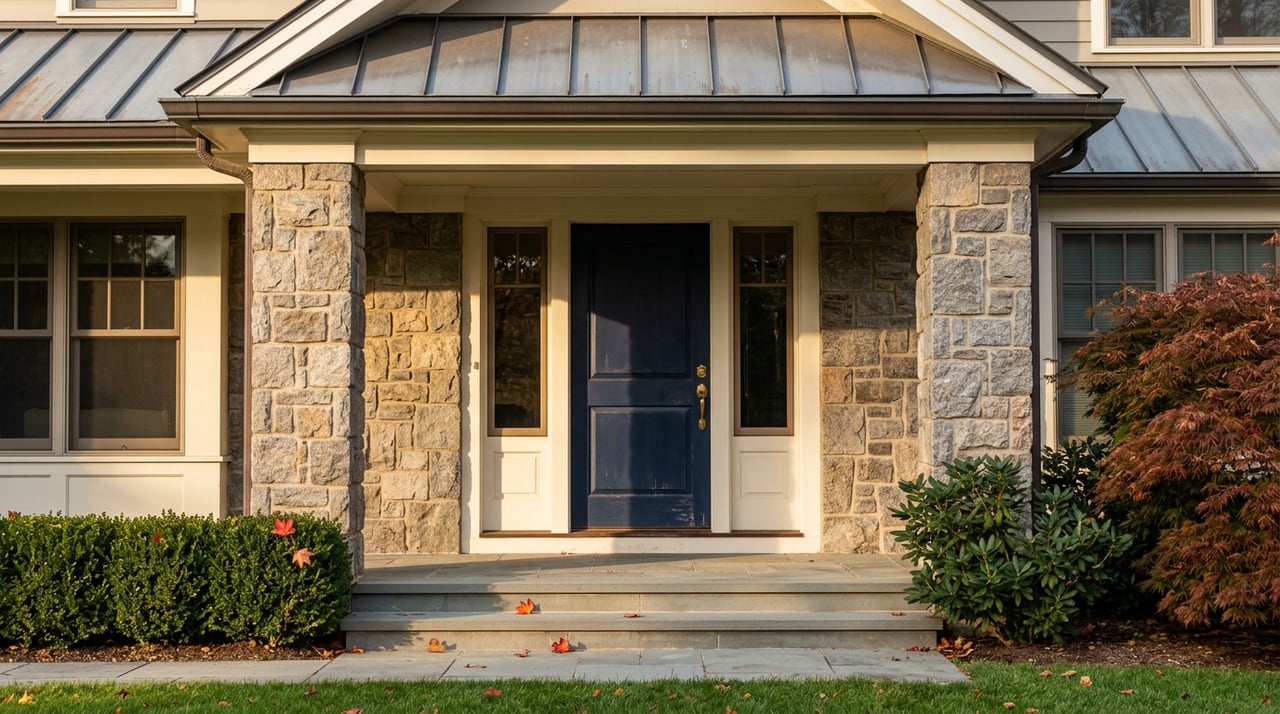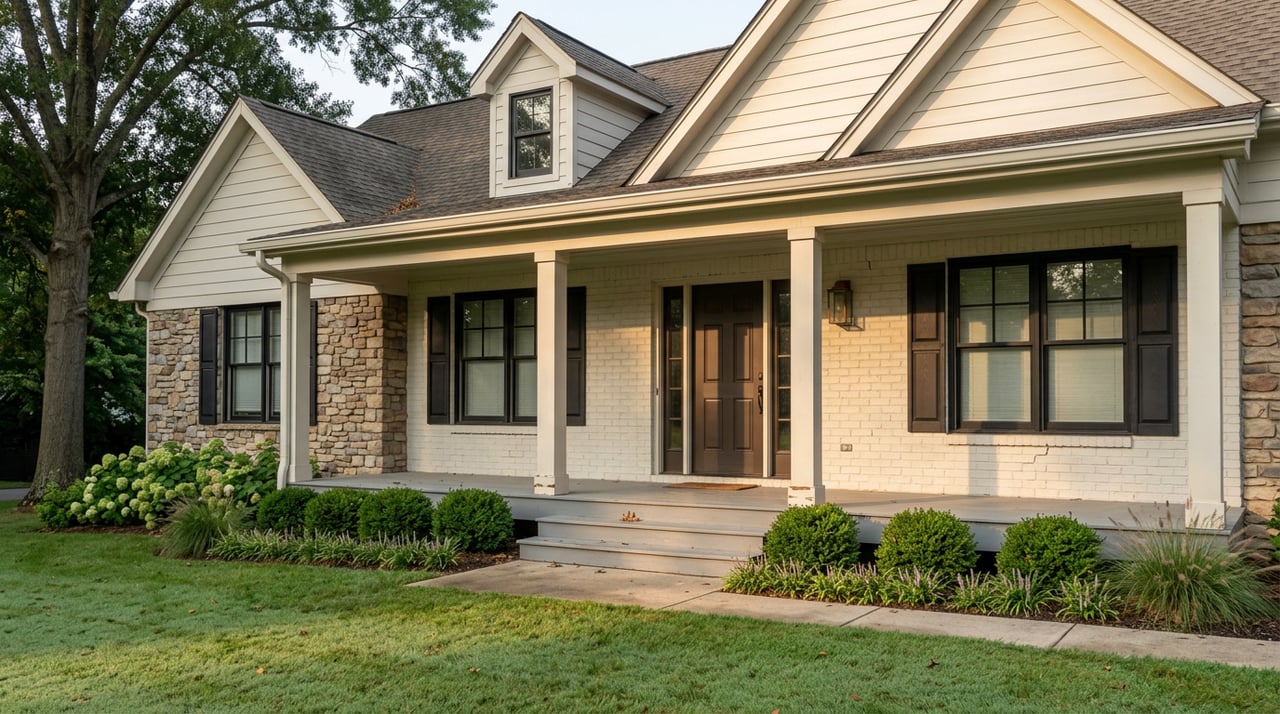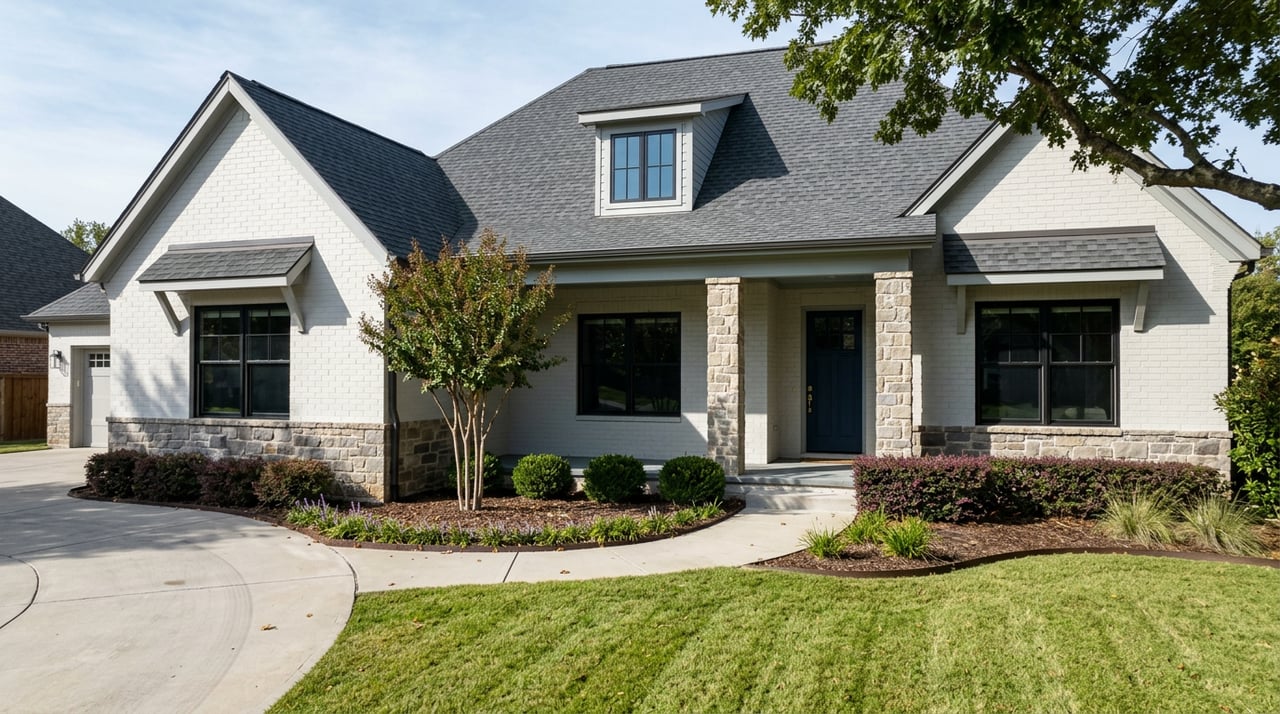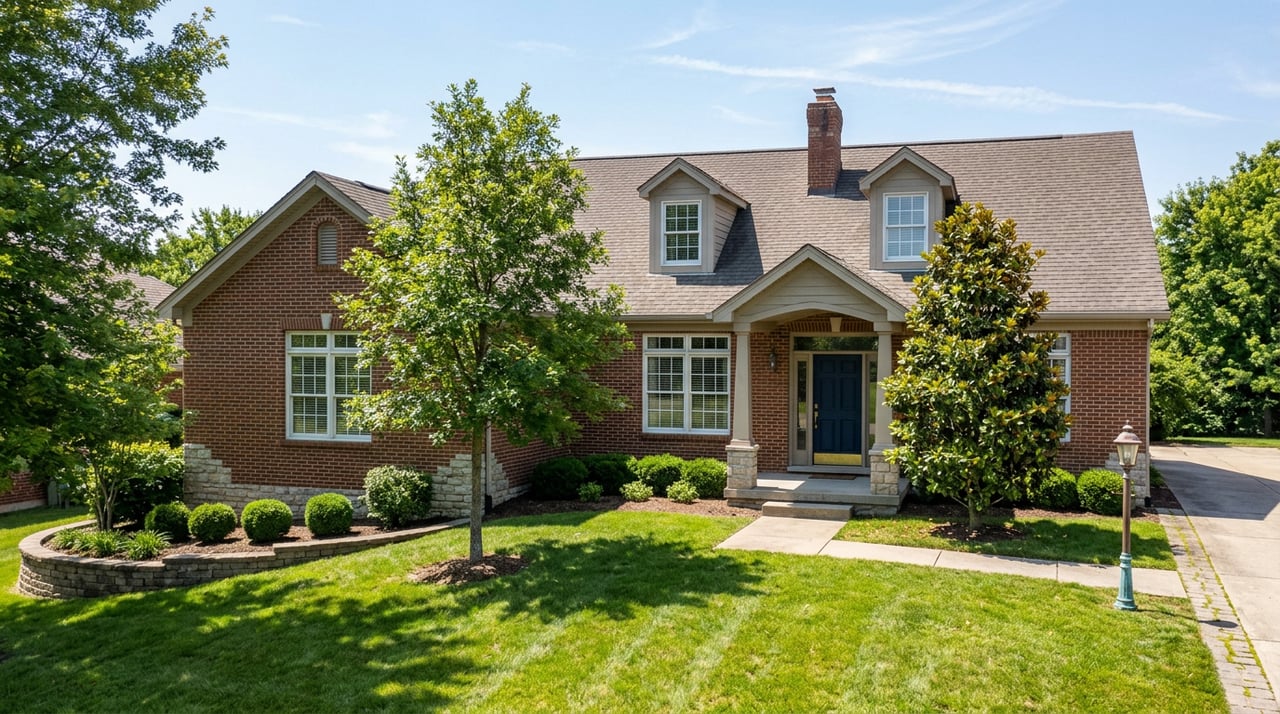
The inspector's flashlight finds the same three things in almost every original Kannapolis mill house before it finds anything else. Under the crawlspace of a 1930s cottage off Ridge Avenue, or a bungalow three streets over on 2nd Street, the pattern rarely changes: a run of knob-and-tube wiring tucked above the ceiling joists, a stretch of galvanized supply line starting to rust from the inside out, and a foundation that has shifted just enough with the Piedmont region's clay soil to leave a hairline crack in the block. Any inspector who has worked Cabarrus County long enough could write that report from memory.
That predictability is actually useful information for a seller. What is less predictable, and what most guides to "old home inspections" never mention, is what is happening three-quarters of a mile away on the exact ground where these houses were built. The Cannon Mill site itself is being rebuilt right now, and the project changes the story these houses are competing in, even though it does nothing to change what shows up on the inspection.
The Neighborhood Cannon Built
James Cannon started buying land around Kannapolis in 1906 and had a working mill village in place by 1912, complete with company housing for the workers he needed to pull in from the surrounding farms. The homes closest to the mill, along Ridge Avenue and Main Street, were built larger and more ornate to project status toward the railroad. The homes deeper into the grid, on streets like 1st, 2nd and 3rd, were smaller and closer together. Only one house inside the original mill village boundary wasn't built by Cannon at all: the H.J. Peeler house at Ridge and 1st, an 18-room Colonial Revival built in 1923 for the superintendent of the new schools, later converted into a teacher boarding house and recently restored. It stands today as proof that these blocks can absorb a serious renovation and come out the other side with real value.
That is the exception. The rule, for most of the mill village, is a small brick or frame house from the 1920s through the 1940s, recently trading somewhere in the $200,000 to $400,000 range depending on lot size and condition. One Kannapolis homeowner who bought a mill house about eight years ago recently sold it for roughly double the purchase price, which tells you the appreciation has been real even before the next piece of news landed.
What the Inspection Actually Flags
None of this changes what an inspector finds, and sellers do themselves a favor by knowing the list before a buyer's inspector hands it to them:
- Knob-and-tube wiring. Original to homes of this era, ungrounded, and increasingly a point where insurers ask for it to be replaced before they'll write or renew a policy.
- Galvanized plumbing. Steel pipe coated in zinc that corrodes from the inside over decades, showing up as reduced water pressure long before it shows up as a visible leak.
- Foundation and crawlspace movement. Piedmont clay expands and contracts with moisture, and houses that have sat on it for eighty-plus years typically show some settling, usually cosmetic, occasionally structural.
None of these findings are unique to any one street or block. They are a function of the year the house was built and the materials available at the time, and they show up whether the house sits two blocks from downtown or six blocks out. What a pre-listing inspection buys a seller is the ability to address the worst of these before a buyer's lender or insurer makes it a condition of closing, rather than a surprise renegotiated at the closing table.
The Site That Built the Neighborhood Is Being Rebuilt
Here is the part that has nothing to do with wiring or pipe and everything to do with timing. Cambridge Properties, a Charlotte-based developer, is redeveloping the old Cannon Mill footprint itself, at North Main Street and Loop Road, into a mixed-use project called Millstone Village. The anchor is a roughly 53,000-square-foot Harris Teeter, targeted to open in the summer of 2027, alongside a retail village of about 12,600 square feet, roughly 304 multifamily units and about 134 townhomes. The developer has committed close to $4.5 million toward public infrastructure tied to the project, and the city has estimated the full buildout could add something in the neighborhood of $150 million to the local tax base.
| Millstone Village component | Scale |
|---|---|
| Anchor grocery | ~53,000 sq. ft. Harris Teeter, targeted summer 2027 |
| Multifamily units | ~304 |
| Townhomes | ~134 |
| Retail village | ~12,600 sq. ft. |
| Public infrastructure (developer-funded) | ~$4.5 million |
| Estimated added tax base at full buildout | ~$150 million |
The design leans hard into the site's history rather than erasing it. Brick-heavy facades, large murals and textile-patterned surfaces are meant, in the words of the project's designer, to "honor the people, craftsman and the artist" who worked the original mill. First townhomes are expected to reach the market in 2027, with larger multifamily phases following in 2028.
There is a detail here worth sitting with. Harris Teeter's very first store built under that name opened in Kannapolis in 1960, after the merger of Harris Food Store and Teeter's Food Mart. More than six decades later, the chain is coming back to build again in the same town, this time directly on the ground where the mill that created the neighborhood once stood. For a seller holding a mill house two or three blocks from that corner, the story their listing tells is no longer just "historic mill cottage." It's "historic mill cottage, walking distance from the site where the company that put this town on the map is opening a new store."
What This Means for Timing a Sale
The inspection findings on a Kannapolis mill house are fixed. The buyer pool interpreting those findings is not, and that's the part sellers can actually work with.
Right now, Millstone Village exists as renderings, site work, and a 2027 target date rather than an open store. That is exactly the window where a seller has the most room to move. Once the Harris Teeter opens and the first phase of new homes hits the market, the story around these blocks becomes obvious to every buyer looking, and obvious stories get priced in. Selling before that point means competing on a narrative that isn't fully built yet, which can work in a seller's favor if the house is priced and presented well, because a buyer willing to bet on the corridor now is often willing to overlook a wiring or plumbing item that a buyer waiting for the finished product would not.
That argues for a specific, practical sequence rather than a race to list. Get a pre-listing inspection, address whichever of the three usual suspects is worst (wiring problems are typically the one lenders and insurers care about most), and price the house with the corridor's direction in mind rather than only its current condition. Waiting until the store opens to test the market means giving up the early-mover advantage and competing against houses that got there first.
A Few Questions Worth Answering Directly
Does knob-and-tube wiring keep a mill house from qualifying for a loan? It depends on the lender and the insurer more than the loan program itself. Many conventional lenders will close on a house with some knob-and-tube remaining, but insurance can be harder to secure until it's addressed, and insurance is usually a closing condition.
Will values in the mill village jump the day Millstone Village opens? Markets tend to price in construction progress gradually rather than all at once on an opening date. The renderings, the permits, and the visible site work are already part of what an informed buyer is weighing today.
Should a seller rewire and replumb before listing, or sell as-is? That depends on who the likely buyer is. An owner-occupant using conventional financing benefits most from the seller addressing the wiring and any major plumbing issue up front. A buyer planning a full renovation may prefer the discount that comes with an as-is sale.
Is the clay-soil foundation movement a deal killer? Rarely, on its own. Inspectors flag it in nearly every house of this age in this soil type, and it is typically addressed through standard foundation repair rather than treated as a reason to walk away, provided it is disclosed honestly.
If you own one of these houses and are weighing whether this is the window to sell or the window to renovate first, that's exactly the kind of timing question worth a second opinion before you list. Kirk Hanson and the Coldwell Banker CK Select team work this market block by block, including the mill village streets and the corridor around Millstone Village, and can walk through what your specific house is likely to face at inspection and what the coming months might do to its value. Request Your Home Valuation before you decide which way to move.