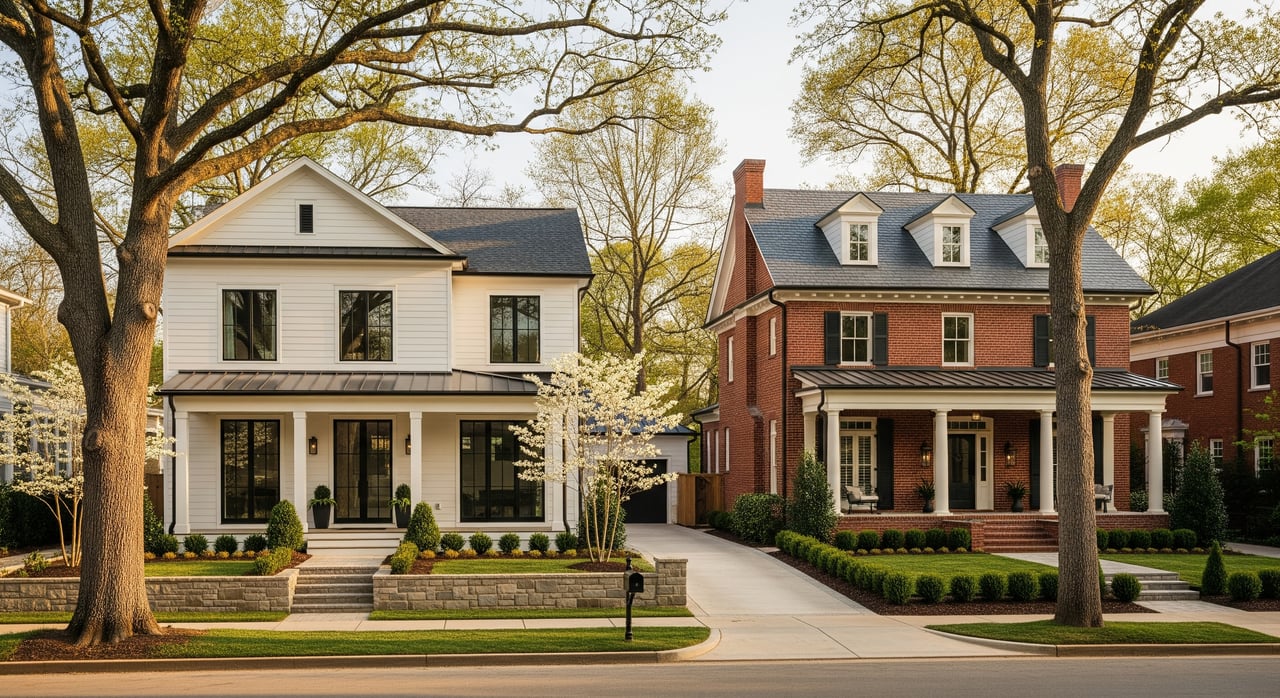
Torn between a brand-new build and a well-loved resale in Kannapolis? You are not alone. With growth across Cabarrus County and easy access to Charlotte, you have strong options at nearly every price point. In this guide, you will learn how pricing, incentives, timelines, inspections, warranties, appraisal risks, and financing differ so you can choose with confidence. Let’s dive in.
New vs resale in Kannapolis: the big picture
Kannapolis sits within the Charlotte commuter corridor, so demand reflects both local needs and regional job growth. New construction tends to cluster in planned subdivisions, while resales can offer larger lots, mature trees, and established streetscapes. Your choice often comes down to control over finishes and timeline flexibility versus character, location variety, and value opportunity.
Here is the simple takeaway:
- New construction: you often pay a base price plus options and lot premiums, but you may get builder incentives and a structured warranty program.
- Resale: you usually get an all-in price tied to recent comparable sales and condition, with room to negotiate on price or concessions.
Pricing: base price vs all-in costs
New homes are typically marketed with a base price. The final number grows with lot premiums, structural options, and design upgrades. It is common to pay more for a corner lot, popular elevation, or upgraded kitchens, baths, and flooring.
Resale prices, by contrast, tend to reflect the home’s current condition, recent comps, and any updates already completed. You negotiate the price and terms rather than selecting options. If a property needs improvements, you may be able to negotiate a lower price or ask for credits.
What to watch with new-build pricing
- Lot premiums and site work: premiums vary by location and view. Site-related costs like grading or utility hookups can be separate line items.
- Design center choices: upgrades add up fast. Decide early which items matter most to avoid sticker shock.
- Inclusions versus exclusions: landscaping packages, window treatments, and appliances can be partial or excluded in some plans.
What to watch with resale pricing
- Condition and days on market: opportunities grow when a home needs updates or has been listed longer.
- Seller-paid concessions: you can often negotiate closing cost assistance, rate buydowns, or a home warranty credit.
Incentives: builder offers vs seller concessions
Builders often use incentives to move inventory, especially on spec homes or as a sales period ends. Common offers include closing cost credits, temporary mortgage rate buydowns, design upgrades, appliance packages, or HOA fee credits. Incentives can change by week and by lot.
Sellers of resale homes may offer price reductions, closing cost help, or credits for repairs. These items are not standard, but they are negotiable based on motivation and market conditions.
Important note on lender tie-ins: some builder incentives require using a preferred lender. That can streamline the process, but you should compare the total loan cost across options. A higher rate can offset a closing cost credit over time.
Timelines: build from scratch or move sooner
Timelines are one of the biggest differences between new construction and resale. Your schedule and flexibility may guide your choice.
- Spec or inventory homes: move-in ready or near-complete homes often close in 30 to 90 days, depending on lender timing and final punch list.
- New build from contract: a ground-up build commonly takes 4 to 9 months or more, based on permits, weather, and customization.
- Resale: most resale closings target 30 to 45 days after contract acceptance, subject to financing, title work, and inspection negotiations.
New-build timeline risks to plan for
- Permits: municipal approvals can shift start dates.
- Materials: backordered windows, cabinets, or HVAC parts can delay completion.
- Selections: missing design deadlines can push your schedule or lock in default options.
- Lender coordination: appraisals, underwriting, and any construction draw requirements take time.
Inspections: do not skip them either way
New does not mean perfect. Municipal code inspections focus on safety and compliance, not workmanship quality. You should still hire an independent inspector.
Recommended for new construction:
- Pre-drywall inspection: catch framing, electrical, plumbing, and HVAC issues while open walls allow access.
- Mechanical and final: test systems, finishes, and function before closing.
- Builder walkthroughs: helpful, but not a replacement for your own inspector.
Recommended for resale:
- General home inspection: identify condition and maintenance needs.
- Specialty checks as needed: roof, HVAC, termite, or septic, depending on the property.
Warranty coverage: what to expect
Most reputable builders provide limited warranty programs, typically with tiers such as 1-year workmanship for finishes, 2-year systems for HVAC, plumbing, and electrical, and a 10-year structural warranty through a third-party provider. Coverage and exclusions vary, so review the written warranty carefully.
For resales, you may negotiate a third-party home warranty plan at closing. These plans have claim processes and coverage caps. Your homeowner’s insurance is separate and should begin at closing.
Appraisal and financing: closing the numbers gap
New homes can appraise differently than resales because appraisers look for comparable sales. If nearby comps do not reflect your upgrade package or lot premium, the appraisal may come in low.
Common appraisal and financing realities:
- Spec homes often appraise more easily because they are complete and there may be similar sales nearby.
- Highly customized homes are harder to price, which can raise appraisal gap risk.
- Builder-preferred lenders can coordinate quickly, but always compare rate, fees, and the net value of incentives against outside lenders.
Ways to handle an appraisal gap
- Ask the builder to adjust price or offer incentives that keep your cash to close manageable.
- Renegotiate based on the appraisal results, if your contract allows for it.
- Increase your down payment or adjust loan structure if permitted by your lender.
How a local agent protects your interests
Builders often use their own contracts, which are written to protect the builder. A locally experienced agent can level the playing field and keep your timeline on track.
Key negotiation priorities your agent tackles:
- Price and incentives in writing: clear dollar amounts, caps on allowances, and no surprise fees.
- Lot and site costs: document the lot premium and any site work responsibilities upfront.
- Completion dates and remedies: define estimated milestones and reasonable remedies if delivery slips.
- Change-order controls: set deadlines, pricing transparency, and written approvals for upgrades.
- Inspection rights: secure access for pre-drywall and final inspections, plus a meaningful final walkthrough.
- Financing and appraisal timelines: build in dates, contingencies, and clear remedies for low appraisals.
Process management that keeps you sane:
- Track selection deadlines and budget impacts to prevent cost overruns.
- Coordinate independent inspections and follow-up repairs with the builder.
- Confirm certificate of occupancy, HOA documents, covenants, and transfer fees ahead of closing.
- Verify that incentives and credits appear on the closing statement per lender rules.
New vs resale: which fits your goals
Choose new construction if you value:
- Personalization of finishes, fixtures, and layout within plan options.
- Energy-efficient systems and a structured warranty.
- A longer timeline that aligns with a future move.
Choose resale if you value:
- Faster move-in, often within 30 to 45 days.
- Larger lots, mature landscaping, and established street appeal.
- Price flexibility and the ability to negotiate concessions.
Either path benefits from local guidance. In Kannapolis and greater Cabarrus County, supply and incentives can vary by neighborhood, builder, and season. A clear plan, strong contract terms, and early lender coordination make the difference.
Practical checklists you can use
New construction quick list:
- Confirm lot premium and any site work costs in writing.
- Set a firm options budget before you visit the design center.
- Lock selection deadlines and request pricing for any change orders.
- Schedule pre-drywall and final inspections with an independent inspector.
- Review the written warranty, response times, and the repair request process.
Resale quick list:
- Review recent comps and days on market to shape your offer.
- Order a full home inspection and any needed specialty inspections.
- Negotiate repairs, seller credits, or a home warranty plan as needed.
- Confirm HOA rules, dues, and any community transfer fees.
Ready to compare real homes in Kannapolis
If you are weighing a new build against a resale, start by clarifying your timeline, must-have features, and budget. From there, compare total cost of ownership, not just the list price. Include incentives, closing costs, HOA dues, likely repairs, and your expected move date.
When you are ready, partner with a local expert who can source both on-market resales and the best new-home opportunities, then negotiate the right terms for your situation. That is where we come in.
Looking for clear direction and a smooth process in Cabarrus County? Connect with Kirk Hanson to compare options, line up financing, and secure the terms that fit your goals.
FAQs
Are new homes usually more expensive than resales in Kannapolis?
- Often yes on a per-square-foot basis due to upgrades and warranties, but builder incentives and spec-home pricing can make some new homes competitive with nearby resales.
Do I still need an inspection on a brand-new home?
- Yes, schedule independent pre-drywall and final inspections since municipal code checks do not replace a buyer-focused quality review.
How long does a new build take compared to a resale purchase?
- Spec homes can close in 30 to 90 days, a ground-up build commonly takes 4 to 9 months or more, while most resales close in about 30 to 45 days.
What warranties should I expect with new construction?
- Many builders offer 1-year workmanship, 2-year systems, and 10-year structural coverage, but the written warranty defines exact inclusions and exclusions.
Should I use the builder’s preferred lender?
- It can speed the process and unlock incentives, but compare the total cost and terms against independent lenders to ensure you get the best overall value.
What if the appraisal comes in low on a new home?
- You can ask the builder to adjust price or incentives, renegotiate using appraisal contingencies, or change your loan structure and down payment if lender rules allow.