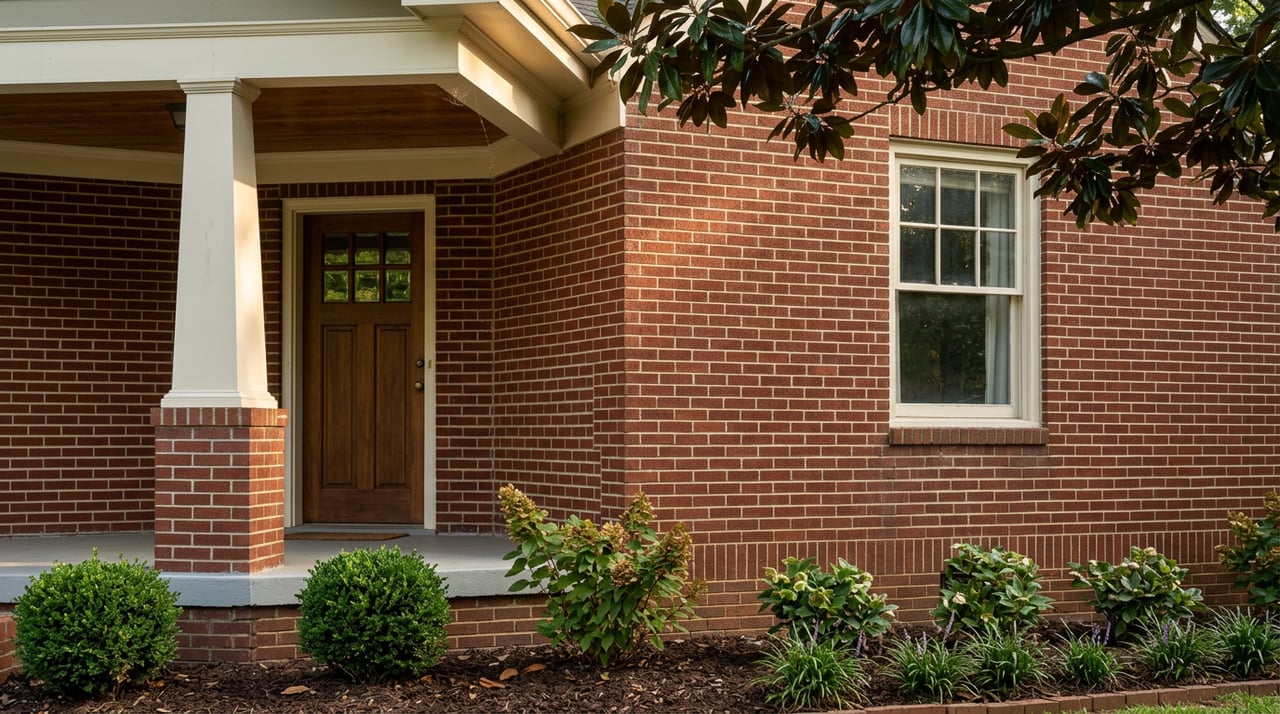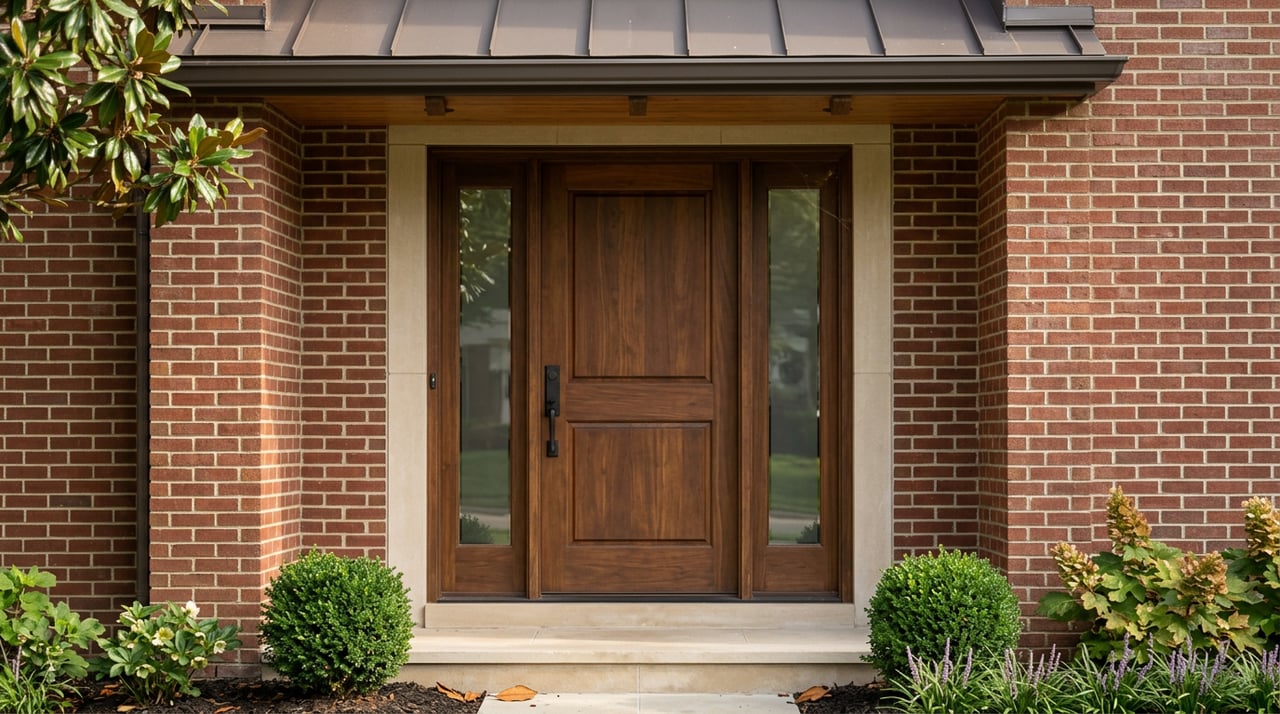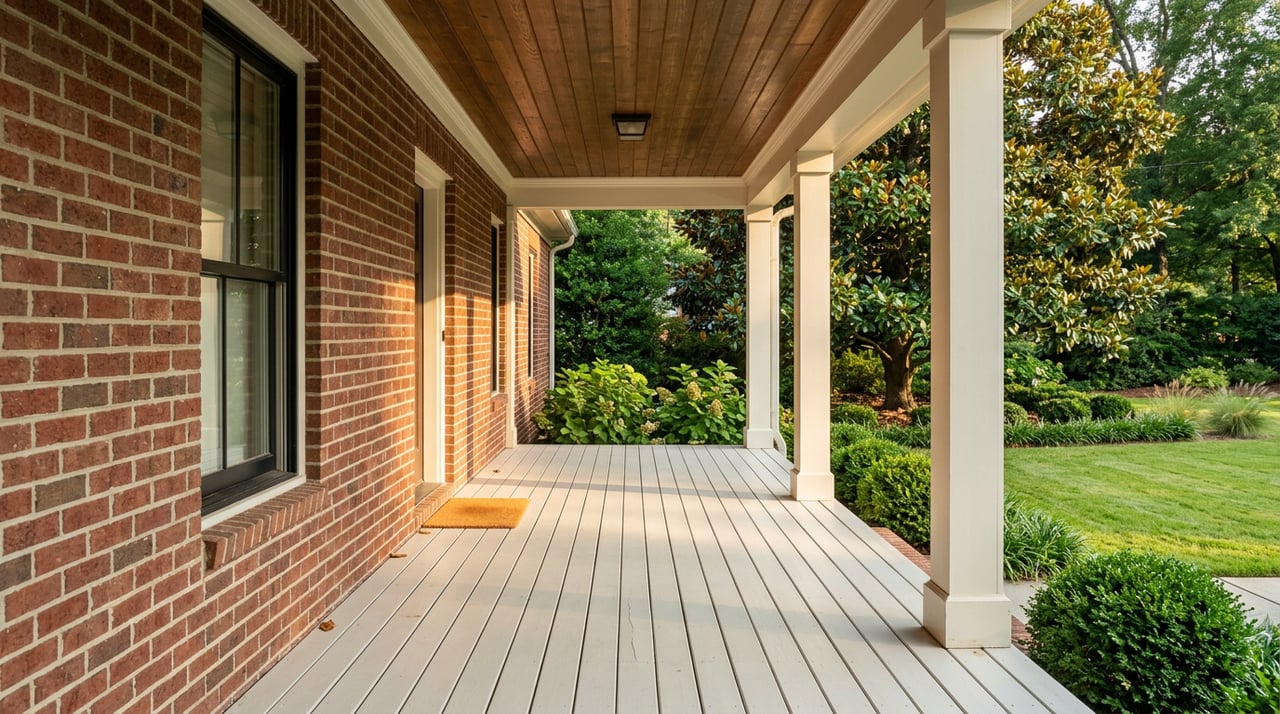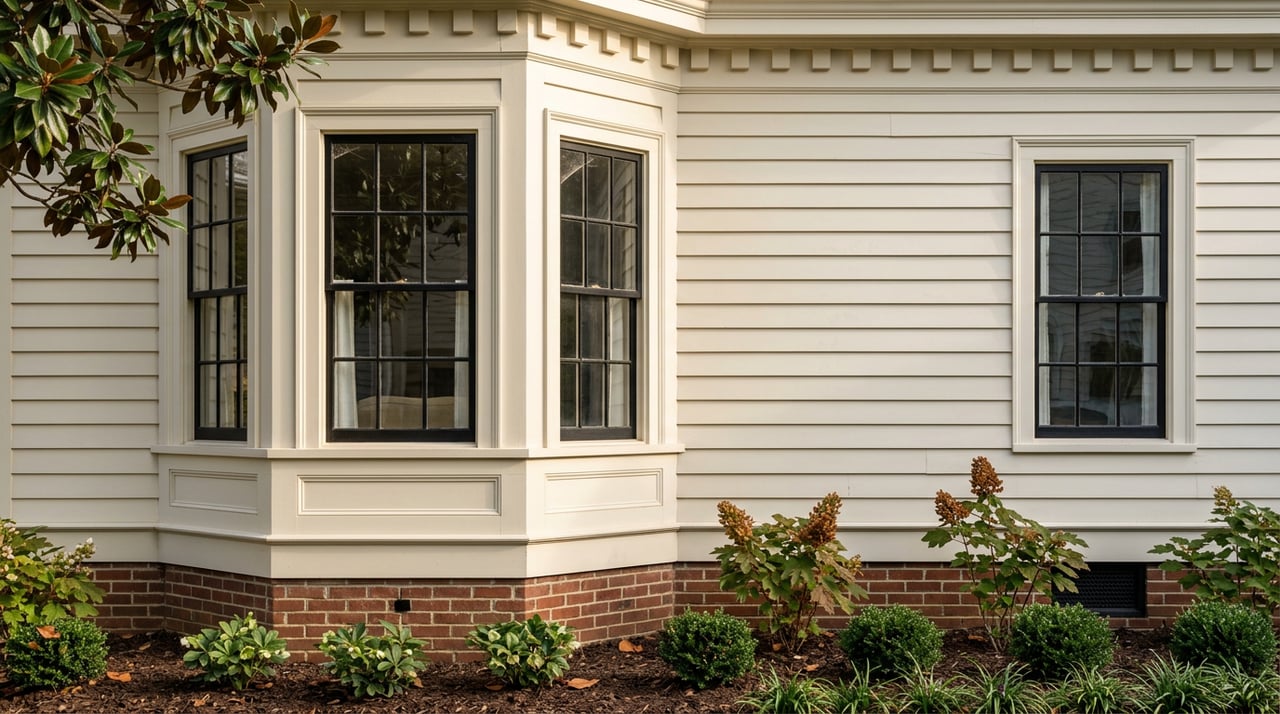
Two buyers walk into the same 1908 house on North Union Street. One leaves the inspection with a repair list and a plan. The other leaves with a repair list, a disclosure form full of "no representation" checkboxes, a federal lead pamphlet, and a call to schedule with the Concord Historic Preservation Commission before ordering new windows. Same house. Two completely different transactions.
That gap is the point of this post. In Concord's historic districts, the inspection report is only one of three documents that determines what your renovation actually costs and how long it takes. Buyers who read only the inspection consistently underprice the deal.
The three-document risk map
Every resale of an older Concord home sits at the intersection of three separate rulebooks, and each one hides different information:
- The inspection report tells you what the house has.
- The North Carolina disclosure forms tell you what the seller admits to knowing, which under state law can legally be almost nothing.
- The Concord Historic Preservation Commission overlay tells you what you are allowed to do about it.
Read in isolation, any one of these misleads. Read together, they explain why two nearly identical listings in the North Union Street Historic District can carry wildly different true costs.
What inspectors actually flag in pre-1980 Concord homes
Concord's three historic districts span construction dates from the 1860s to the 1960s, with the North and South Union Street districts established in 1982 and later listed on the National Register, and Edgewood locally designated in 1988. That timeline matters because it determines which era of building science you are inheriting.
Local inspectors working these blocks routinely flag a recognizable pattern:
- Knob-and-tube wiring or original fuse panels, which insurers increasingly refuse to write policies against without remediation.
- Galvanized steel or cast-iron supply and drain lines, which corrode from the inside and show up as low pressure or discolored water long before they leak.
- Two-prong ungrounded outlets that function but get noted as safety limitations rather than code violations, since older systems are not required to meet current code.
- Lead-based paint and asbestos in materials common before 1980, both of which trigger specialized remediation cost, not a weekend fix.
- Moisture intrusion driven by the humid Piedmont climate, foundation quirks tied to local soils, and crawlspaces that were built for a drier era of house.
- Unpermitted past work, especially finished basements, added bathrooms, and rear additions from the 1970s through 1990s, which can complicate both financing and resale.
None of these are unique to Concord as findings. What is local is the density. In a district where 122 of roughly 190 properties contribute historically to the North Union nomination, the odds that any given house carries three or four of these items at once are not hypothetical.
Standard inspections in the Concord market start around $375 and run $500 to $600 for larger homes. Add-on tests for radon, mold, termites, lead, and asbestos each carry their own fee. For a pre-1978 house, budgeting for the full add-on stack is not optional if you plan to renovate.
The "no representation" trap
Here is the mechanism most out-of-state buyers miss. North Carolina is a caveat emptor state. Sellers are required to deliver the Residential Property and Owners' Association Disclosure Statement and the Mineral and Oil and Gas Rights disclosure under G.S. Chapter 47E, but the form itself gives the seller three answer choices for nearly every question: yes, no, or no representation.
"No representation" is not a disclosure. It is a legal decision not to speak. The North Carolina Real Estate Commission's own guidance confirms that a seller who selects it has no further duty to disclose on that item. Sellers are not required to investigate their own property for defects, only to disclose material defects they actually know about.
The upshot for a buyer of a 1920s bungalow near Union Street is blunt. The seller can legally mark "no representation" on the roof, the plumbing, the electrical, the foundation, the presence of asbestos, and past water intrusion, and still be fully compliant with state law.
Two guardrails do remain:
- The broker's separate duty. Any real estate broker involved must disclose material facts they know or reasonably should know, regardless of what the seller checks. That is a NCREC obligation, not a courtesy.
- The federal lead-based paint disclosure. For any home built before 1978, sellers must provide the EPA lead pamphlet and a lead disclosure form, and the buyer gets a mandated 10-day window to conduct a paint inspection or risk assessment. That window is federal law and cannot be shortened by "no representation."
The practical read: for a pre-1978 Concord home, the lead disclosure and your own inspector are doing more work than the state form. Plan accordingly.
The Historic Preservation overlay changes repair math
This is where Concord diverges from the generic "buying an older home" advice you have already read elsewhere. Homes inside the North Union Street, South Union Street, or Edgewood historic districts sit under a zoning overlay administered by the Concord Historic Preservation Commission. Exterior changes visible from the public right of way generally require a Certificate of Appropriateness before work begins.
That single fact reshapes almost every inspection-driven repair conversation:
| Inspection finding | Standard fix | Historic district complication |
|---|---|---|
| Failing wood windows | Vinyl replacement | Typically requires wood or approved-profile replacements; COA review |
| Deteriorated wood siding | Fiber cement or vinyl | Material substitution generally reviewed for compatibility |
| Old three-tab roof | Architectural asphalt | Material and color subject to district guidelines |
| Front porch rot | Composite decking and rails | Original profiles and materials often required |
| Detached garage rebuild | Prefab kit | Massing, setback, and materials reviewed |
| HVAC condensers on the street side | Cheapest placement | Screening or side/rear placement typically expected |
Interior systems like wiring, plumbing, and HVAC ductwork usually fall outside COA review, but exterior mechanical placement, window replacement, and siding almost always trigger it. Timelines for review add weeks, and the cost delta between "buy the box at the big-box store" and "match the historic profile" is often 30 to 100 percent on the affected line item.
This is the number that does not appear in your inspection report. It is also the number that separates a buyer who closes confidently at Concord's roughly $385K to $396K vintage-home median list price from one who discovers, three months in, that the "cosmetic" exterior punch list is a $40,000 project.
A buyer's sequence that actually works
The sequence buyers use for a 2015 new-build in a Concord subdivision does not work here. A better order:
- Pull the RPOADS and MOG before writing the offer. Count the "no representation" checkboxes. Each one is a question you now have to answer with your own dollars.
- Confirm district status. Ask directly whether the property is inside North Union, South Union, or Edgewood, and request any past Certificates of Appropriateness on file.
- Order the full inspection stack. Standard inspection plus, for pre-1978 homes, lead paint and asbestos screens. Add radon and a sewer scope for pre-1970 plumbing. Use inspectors familiar with Concord soils and humidity, not out-of-market generalists.
- Use the federal 10-day lead window intentionally. It is a real contractual pause. Do not waive it to look competitive.
- Get renovation scoping before due diligence expires. For any exterior work flagged by the inspection, a quick pre-application conversation with Concord planning staff will tell you whether your fix is routine or COA-triggering.
- Negotiate on scope, not price. In older Concord homes, the value of a seller credit is often lower than the value of a completed repair by a contractor who already knows the district guidelines.
FAQ
Does a home inspection satisfy North Carolina's disclosure requirement? No. The seller's disclosure and the inspection are independent documents. The disclosure reflects the seller's stated knowledge, or their choice not to represent. The inspection reflects what a licensed inspector could observe on a given day. Neither is a warranty of condition.
Are new-construction homes in Concord exempt from disclosure? The RPOADS form is not required for the first sale of a dwelling that has never been inhabited, though the MOG mineral and gas rights disclosure still applies. Resale of any home, including a nearly new one, brings the full disclosure obligation back.
How long am I liable as a seller after closing? North Carolina's statute of limitations for misrepresentation or fraud claims is generally one to six years depending on the theory. Marking "no representation" is not a shield against fraud claims for defects the seller actually knew about and concealed.
Is the Historic Preservation Commission overlay negotiable? No. It is a zoning overlay, not a homeowner association. Buying outside the mapped district boundaries is the only way to opt out.
Ready to move on a Concord historic home with your eyes open?
The buyers who do well in North Union, South Union, and Edgewood are the ones who treat the inspection, the disclosure, and the district overlay as one integrated diligence package rather than three separate hurdles. That is the work we do alongside our buyer clients every week. If you are under contract, or close to it, on an older home in Concord, Coldwell Banker CK Select can walk the property with you, translate the inspection findings into a district-aware repair plan, and structure your due diligence period around the friction points that actually matter. Request your home valuation or reach out for a buyer consultation to get started.